


THERMAL IMAGING INSPECTIONS
See heat. Find risk earlier.
GPFI Botswana uses infrared thermography to identify temperature anomalies that may indicate developing electrical faults, mechanical stress, insulation defects or moisture-related concerns – helping you investigate risk and plan corrective action before disruption occurs.
Insight without unnecessary disruption
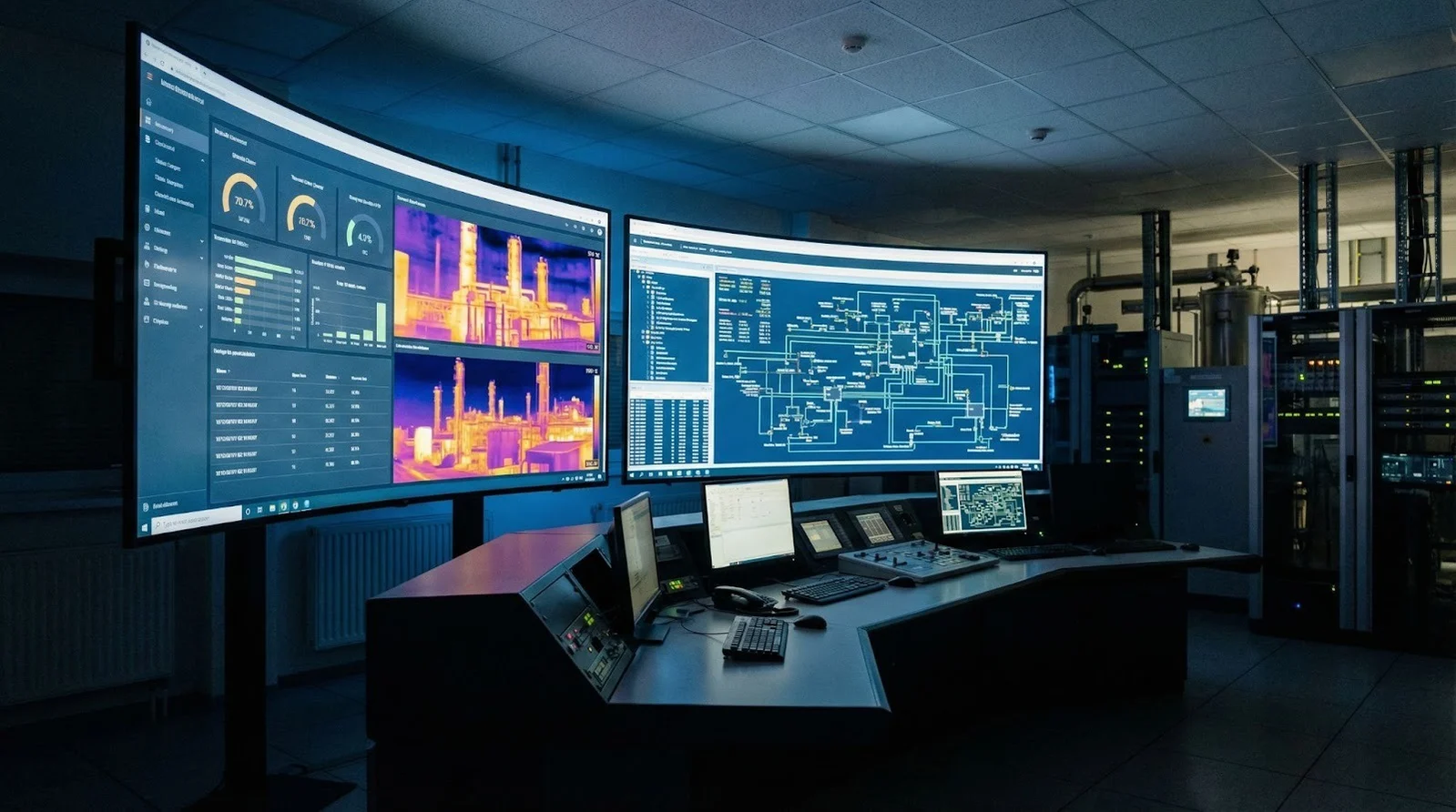
Thermal imaging is a non-contact inspection method that records the surface-temperature patterns of operating assets and building elements. It can reveal conditions that are difficult to detect during a routine visual inspection, while helping maintenance teams focus investigation and resources where they matter most.
Every assignment is defined around the asset, operating conditions and client objective. Thermograms are interpreted in context, supported by visible-light reference images and translated into practical, prioritised findings.
Typical applications
Depending on the confirmed scope and site conditions, inspections may include:
- Electrical panels, distribution boards, breakers, isolators and connections
- Transformers, generators, uninterruptible power supplies and battery connections
- Motors, bearings, pumps, compressors and other mechanical equipment
- Heating, ventilation and air-conditioning equipment and distribution systems
- Roofs, insulation and building-envelope anomalies
- Areas of suspected moisture intrusion, where conditions allow meaningful assessment
- Solar photovoltaic modules and associated electrical components, where included in scope
- Post-repair checks and baseline condition surveys
Our Inspection Process
Define
confirm objectives, assets, access, operating conditions and safety requirements.
Prepare
Review available records and coordinate inspection windows with site representatives.
Capture
Record thermal and visible-light images under suitable, representative conditions.
Analyse
Interpret patterns, compare relevant components and identify anomalies requiring attention.
Report
Present clear findings, priorities, limitations and recommended actions.
Verify
Where requested, reinspect corrected assets and update the record.
What You Receive
- Agreed inspection scope, asset list and site-preparation requirements
- Infrared thermograms with corresponding visible-light reference images
- Documented temperature observations and relevant operating context
- Anomaly classification and risk-based prioritisation
- Recommended next actions, including confirmatory testing where appropriate
- Management summary and detailed inspection report
- Optional post-repair verification inspection
Important Technical Note
Thermal imaging identifies detectable surface-temperature patterns under the conditions present at the time of inspection. It does not see through walls, prove the root cause of every anomaly or replace statutory inspections, electrical testing, specialist diagnosis or corrective work. Findings should be reviewed and acted on by appropriately qualified personnel.
The value for your organisation
- Earlier visibility of developing asset conditions
- Better prioritisation of maintenance and repair budgets
- Reduced reliance on intrusive fault-finding for initial screening
- Stronger evidence for preventive and condition-based maintenance
- Better-planned interventions and reduced risk of unplanned downtime
- A repeatable condition record for critical assets
Turn hidden heat patterns into practical maintenance action.
Tell us which assets, systems or sites you need assessed, and we will define an appropriate inspection
scope.
Frequently Asked Questions
Answers to the questions we hear most about thermal imaging inspections, what they cover and how GPFI Botswana delivers them in Botswana.
Thermal imaging is non-contact and is often completed while equipment is operating under a representative load. Access, site safety and operating requirements are agreed before the inspection, and any necessary isolation is controlled by the client and authorised personnel.
No. It complements planned maintenance and electrical testing by identifying thermal anomalies that may require further investigation. Confirmatory testing may be recommended before corrective action is taken.
No. Detection depends on the type of fault, load, access, surface characteristics, environmental conditions and the quality of available comparisons. The report records relevant limitations so findings can be interpreted responsibly.
Frequency depends on asset criticality, operating load, condition history, manufacturer guidance and the organisation's risk-based maintenance plan. A baseline inspection can help establish an appropriate schedule.